A convertible provides an open-air passage cabin for traveling in good weather and the protection of a retractable roof when weather conditions turn unpleasant! During the early history of the automobile, convertibles were the only types of cars available, most likely because they were based on carriages that were usually very open as well. Today, it is considered an automobile lifestyle choice best suited for warmer climates that we associated with fame and fortune. A few companies who make convertibles are Bentley, Ferrari and Rolls-Royce.

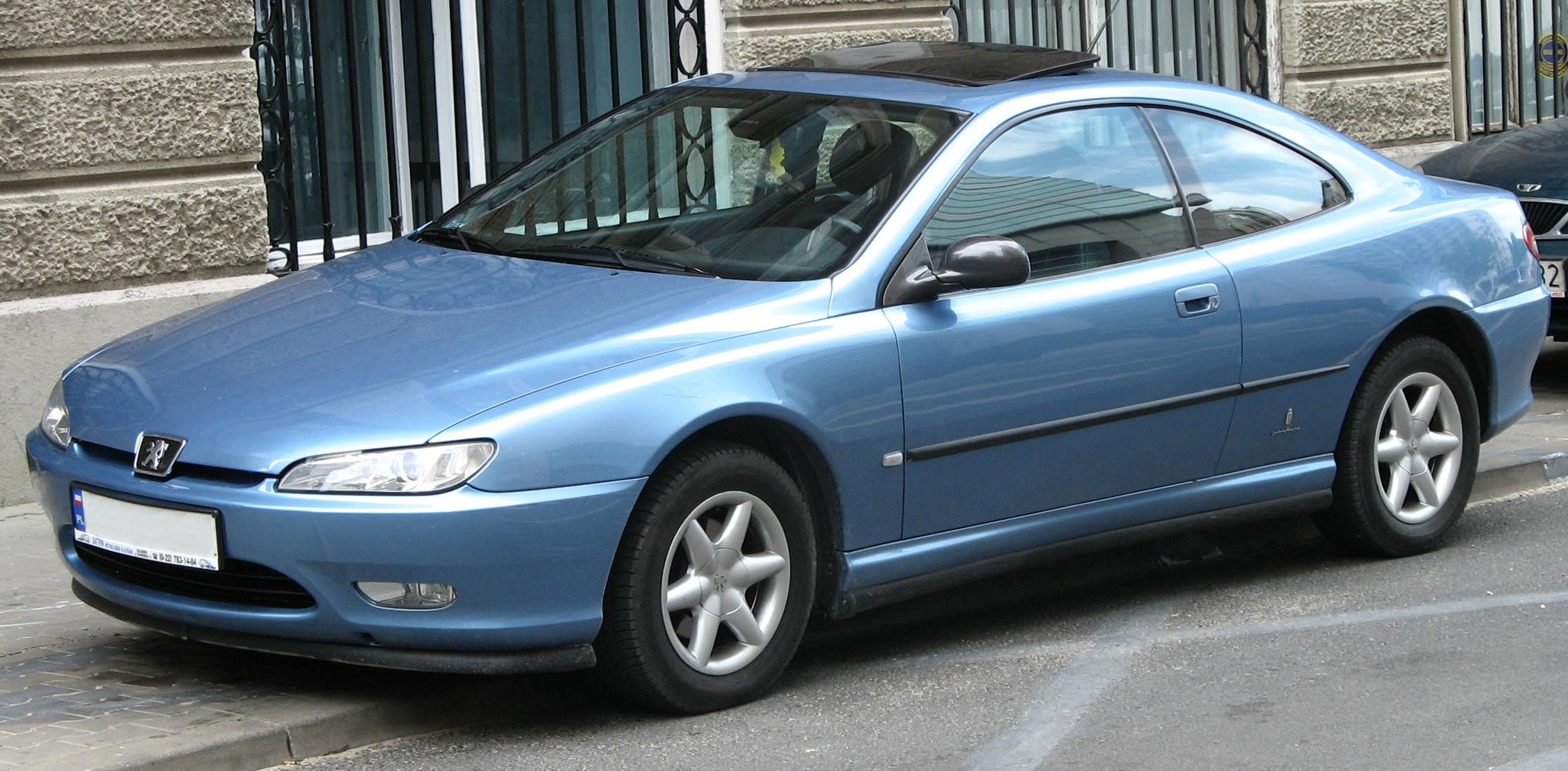
Coupe
Coupes are often the sporty variants of saloon cars, with doors reduced from four to two. The body style of the Coupe varies from car-maker to car-maker and one can look very, very different compared to another! Not many cars are like this and look relatively the same all the time and that makes this style pretty special. Some companies that make this style of car are Mercedes-Benz, Lamborghini and Lincoln.

Luxury Car
A luxury car is considered the peak of driving comfort and aspires to provide the most rewarding sensation of motoring. Based on the expense of early automobiles, the luxury car was one of the first vehicle types established. One key element of the luxury car is the price compared to conventional automobiles. The comfort level and technology that goes into this car is the reason for this price so it is obviously worth it in the long run! Also, new automobile technology is usually fitted to luxury cars first, like air conditioning and electric starters. Some companies that produce luxury cars are Ford, BMW and Hyundai.

Sport Utility Vehicles (SUVs) are built on a truck frame, and harness utility attributes and powerful engine performance. SUVs are often associated with toughness and their on-road and off-road handling manners. Originally constructed as four-wheel drive vehicles intent to handle off-road trails, SUVs have increasingly become the vehicle of choice for luxury-minded drivers with products like the Range Rover and Cadillac Escalade. In my opinion, Range Rovers are the nicest cars ever alongside MINI Coopers, so I can definitely see an SUV in my future. Some other companies that produce SUVs are Subaru, Mercury, and Mazda.

Hatchback

The body of a hatchback vehicle has a sporty design and functional improvements such as increased fuel efficiency and interior space. Some of the least expensive new cars on the market are hatchback’s because of their aerodynamic body shape and low weight that helps achieve strong fuel efficiency. Sport compact hatchbacks deliver excellent performance thanks to its unique high power-to-weight ratio. Some companies that produce this body style are Kia, Scion, and FIAT.
Automobile Design
Automobile Design
1. How long can it take to design a car? What phase (or stage) do they start off with?
When designing a new vehicle, the manufacturers begin with the sketching phase and it typically takes about three years to complete. However, it varies between cars and companies.
2. Why is design called problem solving?
Automobile design is called problem solving because the manufacturers have an industrial design degree that falls under a fine arts profession degree but they are not “fine artists” in the sense that they can do whatever they want. They are always given a set of engineering constraints and a criteria that they must use to come up with a product that is aesthetically pleasing to the consumer that follows every aspect of the criteria. It is like problem solving because every idea has to fit a very specific spot like a puzzle piece, and even the smallest error can prevent the idea from flourishing.
3. What is the feasibility stage? (What do they have to match up?)
The feasibility stage is the biggest part of the production of a vehicle. They start by taking the sketches that look the best and try to evolve them into something that maintains the theme but also fits with the most important engineering points. This means that they can create and sketch an idea that seems amazing but when it comes to actually making it, it could be impossible. So, they have to be very careful of what is possible and when isn’t. In this phase, the manufacturers work closely with engineers, marketing and product planners to produce the best possible product for their consumers.
4. Do you think designing an automobile or other type of vehicle would interest you? Explain.
Yes, I think that I would be interested in designing an automobile or other type of vehicle because creating an idea and having it become a reality would be very exciting. There are many aspects of the automotive industry but I think that if I had a career in this department I wouldn’t hate it as much. I also would like it because it involves drawing!
The feasibility stage is the biggest part of the production of a vehicle. They start by taking the sketches that look the best and try to evolve them into something that maintains the theme but also fits with the most important engineering points. This means that they can create and sketch an idea that seems amazing but when it comes to actually making it, it could be impossible. So, they have to be very careful of what is possible and when isn’t. In this phase, the manufacturers work closely with engineers, marketing and product planners to produce the best possible product for their consumers.
4. Do you think designing an automobile or other type of vehicle would interest you? Explain.
Yes, I think that I would be interested in designing an automobile or other type of vehicle because creating an idea and having it become a reality would be very exciting. There are many aspects of the automotive industry but I think that if I had a career in this department I wouldn’t hate it as much. I also would like it because it involves drawing!